


Black History Month UK 2026
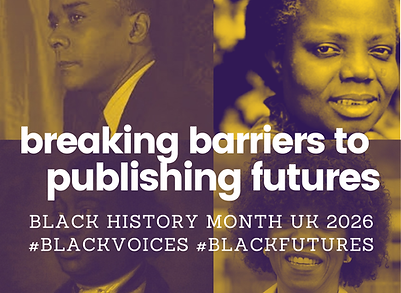
October 1st marks the start of Black History Month in the UK and our theme for the month is ‘Breaking Barriers to Publishing Futures.’
From early Black writers and publishers to independent presses, literary festivals and today's new generation of publishers and digital platforms, we'll discover the people who turned barriers into opportunities, built communities and created new ways for Black stories to be shared, celebrated and heard.
We'll shine a spotlight on the first Black publishing house New Beacon Books and celebrate notable Black Britons such as Margaret Busby, who is Britain's youngest and first Black woman book publisher in 1967.
Black British History Timeline

1772 to present day - Timeline of UK Black publishing, authorship and media power
A journey through more than 250 years of Black British publishing, storytelling and media innovation, highlighting the writers, publishers and cultural pioneers who broke barriers and expanded whose voices are heard in Britain.

1920s to 1940s - Black Atlantic writers and activists build Britain's anti-colonial publishing networks
Intellectual giants including C.L.R. James, George Padmore, Amy Ashwood Garvey and Ras Makonnen spearhead a wave of radical journals, pamphlets and books, including International African Opinion and The Keys. Through their publishing, organising and activism, they helped establish London as a global epicentre of Black internationalist, Pan-African and anti-colonial political writing, laying the ideological groundwork for post-war independence movements across Africa and the Caribbean.

1782 - Letters of the Late Ignatius Sancho
Georgian Ignatius becomes the first author African descent to have his correspondence published. His book stands as one of the earliest major published collections of writing by a Black British author and an important record of 18th century Black life in Britain.
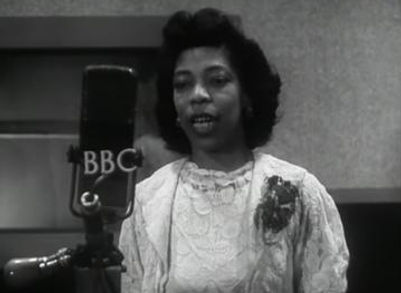
After joining the BBC in 1941, Jamaican writer and activist Una Marson helped transform a wartime radio programme into Caribbean Voices. Running from 1943 to 1958, it became a pioneering platform for Caribbean literature, showcasing poetry, short stories and criticism while nurturing writers including Samuel Selvon, V.S. Naipaul, Derek Walcott and Kamau Brathwaite.

Founded in London by John La Rose and Sarah White, New Beacon Books became the UK's first Black publishing house, specialist bookshop and international book distributor. The same year, the Caribbean Artists Movement (CAM) was founded, creating an influential forum for Caribbean writers, artists and intellectuals in Britain.
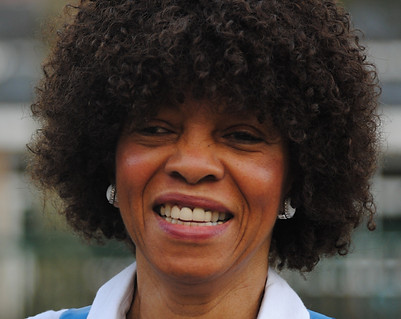
At just 23, Margaret Busby co-founded Allison & Busby, becoming Britain's youngest publisher at the time and the UK's first Black woman publisher. Throughout her career, she has championed diverse voices and helped reshape the landscape of British publishing.
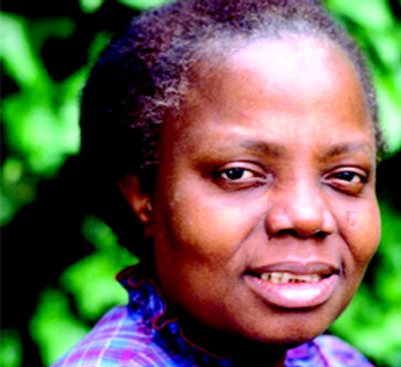
Serialised originally in the New Statesman, her raw, semi-autobiographical depiction of navigating social housing, welfare and single motherhood as a Nigerian woman in London becomes a foundational cornerstone of the emerging Black British literary canon.
News and Opinions
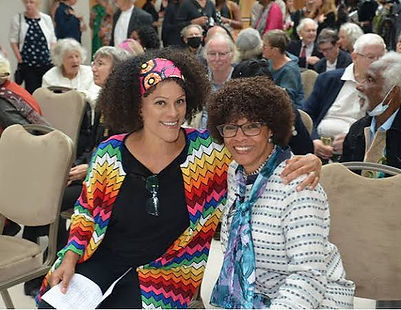
Bernardine Evaristo and Margaret Busby appointed patrons of Black British Book Festival

The rise and fall of Black British writing
Events

Things to do during UK Black History Month 2026 in the UK
Media Recommendations

.png)


